Sea level rises, sea level falls
Continental Cut Stone’s two quarries both contain limestones, but they come from completely different times in Earth’s history. The Lueders quarry contains smooth, uniform, fine-grained limestone that ranges from pale grey to warm tan. These rocks are from the early Permian Period, around 280 million years ago. The landscape at that time was a low-lying coastal area that was a mixture of rivers, deltas, and inland seas. The limestone ledges within the Lueders Formation formed
during periods when shallow water covered the landscape. Not long after that, seas departed from Texas, and a more arid environment took shape. At this same time, all the world’s continents managed to collide into each other, forming one colossal landmass called Pangea. Texas became landlocked within the supercontinent, and red desert sands swept over the limestone layers.
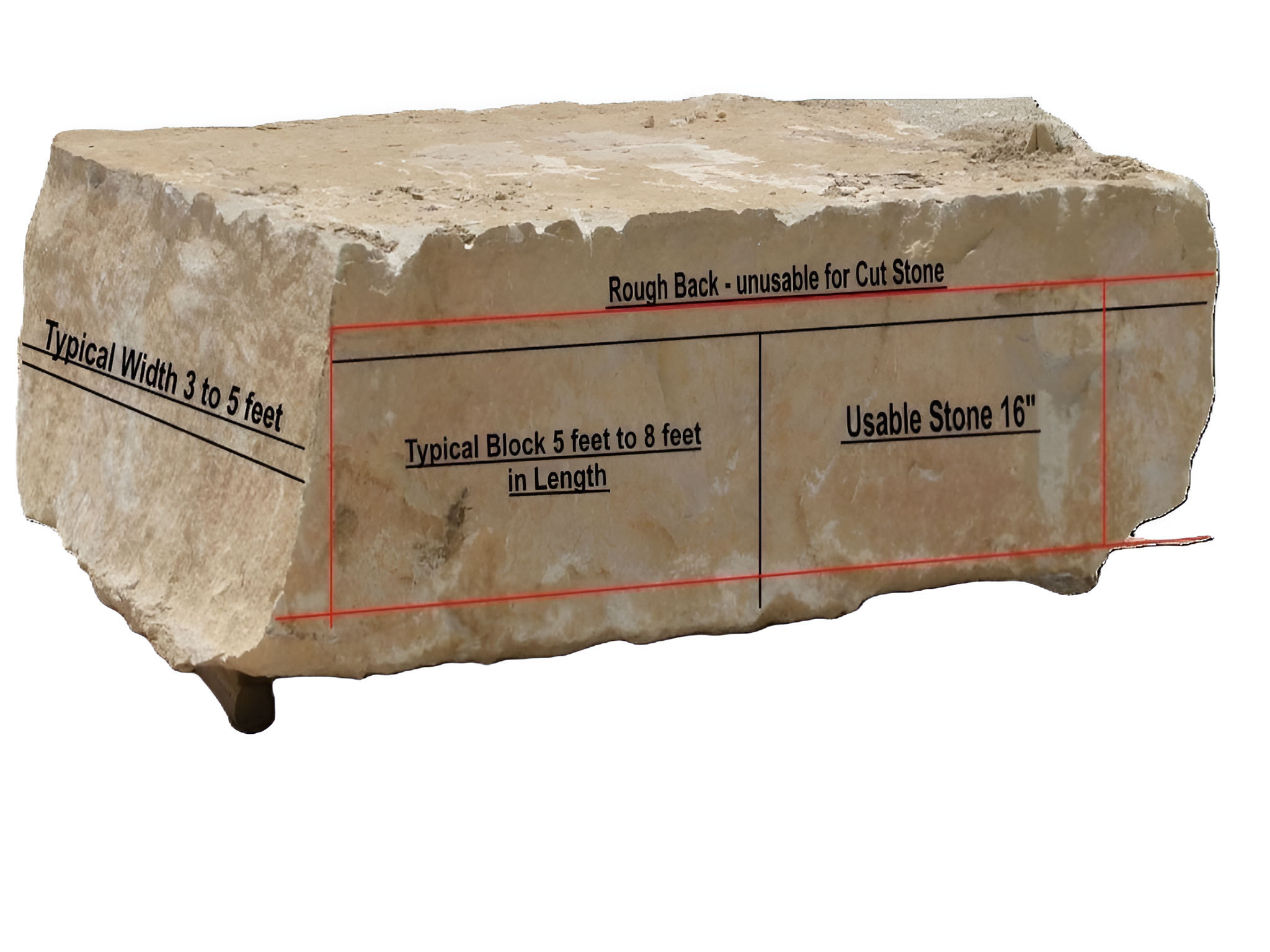
The Roughback is the outer portion of the raw block. (similar to the bark of a tree). It is sliced away from the core of the stone. There can be a wide range of light tans rust, browns, etc. One control sample is not ample when serving up natural stone in your design. To maximize the raw block, best use dimensions are 1’, 1 4”, or 2’ wide X 2’ to 4’ long.
Lueders Limestone Core Colors

The Core (inside of the raw block) is gray to buff gray. Not to be confused with Lueders Buff gray, the darker “charcoal color is the buff/gray color infused with local oil deposits. Oil deposits are formed when crude oil is trapped beneath impermeable layers of rock as it travels to the Earth’s surface. Due to performance of the Charcoal or dark gray Lueders, we do not recommend it for exterior applications. The charcoal coloration is not colorfast as exposure to the elements like sun and rain can cause the color to lighten to the original buff gray over time
Cretaceous Period, when the Cordova Cream and Cordova Shell
limestones were formed.
Fast forward 150 million years from the Permian Period to the Cretaceous Period, when the Cordova Cream and Cordova Shell limestones were formed. The Cretaceous Period, as any 9-year-old will tell you, is when dinosaurs were around.
Sure enough, the layers just below the Cordova limestones are famous for their dinosaur tracks, as the beasts wandered around muddy tidal flats, leaving deep footprints behind. Then, the sea level crept higher once again, and rich marine life populated the seas. Cordova Cream has faint patterns from undersea currents and is made of ooids, which are small, sand-like pellets of lime. Cordova Shell is an aptly named stone, teeming with coiled gastropods and ridged clamshells. The stone is literally full of life, requiring no imagination to envision the bustling marine environment that inhabited central Texas at that time.
Continental Cream Quarries, LLC opened in 2009, reestablishing the Armadillo Quarry as the prime supply for Texas “Cordova” Cream and “Cordova” Shell to the Limestone Industry.
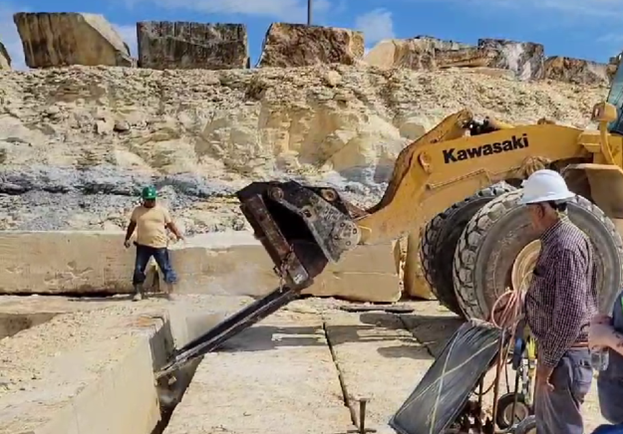
Historic Central Texas “Armadillo” Quarry Re-opens
This quarry stands out in the region for its rich history and exceptional quality of raw materials. Limestone from this site offers the consistent density and depth necessary to produce large blocks used in architectural elements such as oversized cladding, columns, balustrades, and surrounds.
Continental Cream Quarries is now joining the select group of ANSI/NSI 373 Sustainable certification in producing Cordova Cream and Cordova Shell limestone. Alongside other high-grade limestone producers, including Lueders, this addition broadens the available options for future cut limestone projects.
The Natural Stone Sustainability Certification addresses key environmental issues surrounding building materials. As highlighted in a Natural Stone Council article, Rob Teel has been a strong advocate for the sustainability standard since it was first adopted by the Natural Stone Council in 2014.
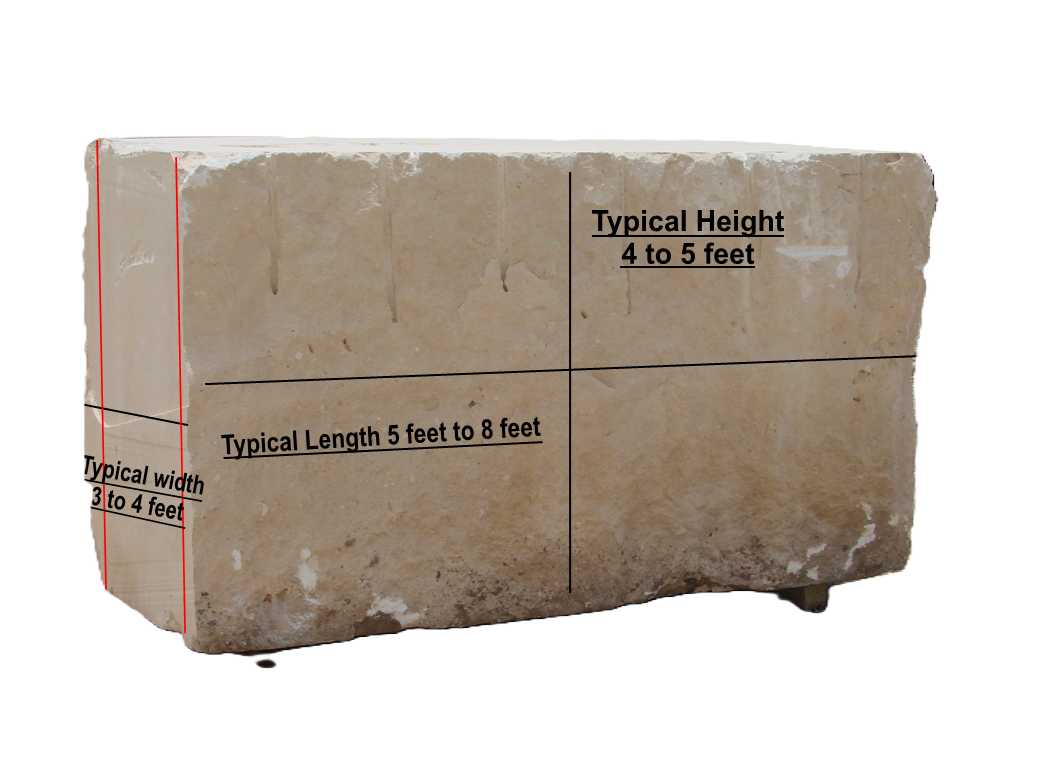
Raw Block Dimensions – Optimize Panel Sizes on block to Minimize Waste

Cordova Cream Limestone features a warm, creamy beige hue that can range from light to medium tones. Its fine-grained texture often includes fossilized shells or small voids, adding character while maintaining a smooth finish. One control sample is not ample when serving up natural stone in your design. To maximize the raw block, best use dimensions are 1’, 1’ 4”, or 2’ wide X 2’ to 4’ long.
Sustainable Case Study - *GWP – Global Warming Potential
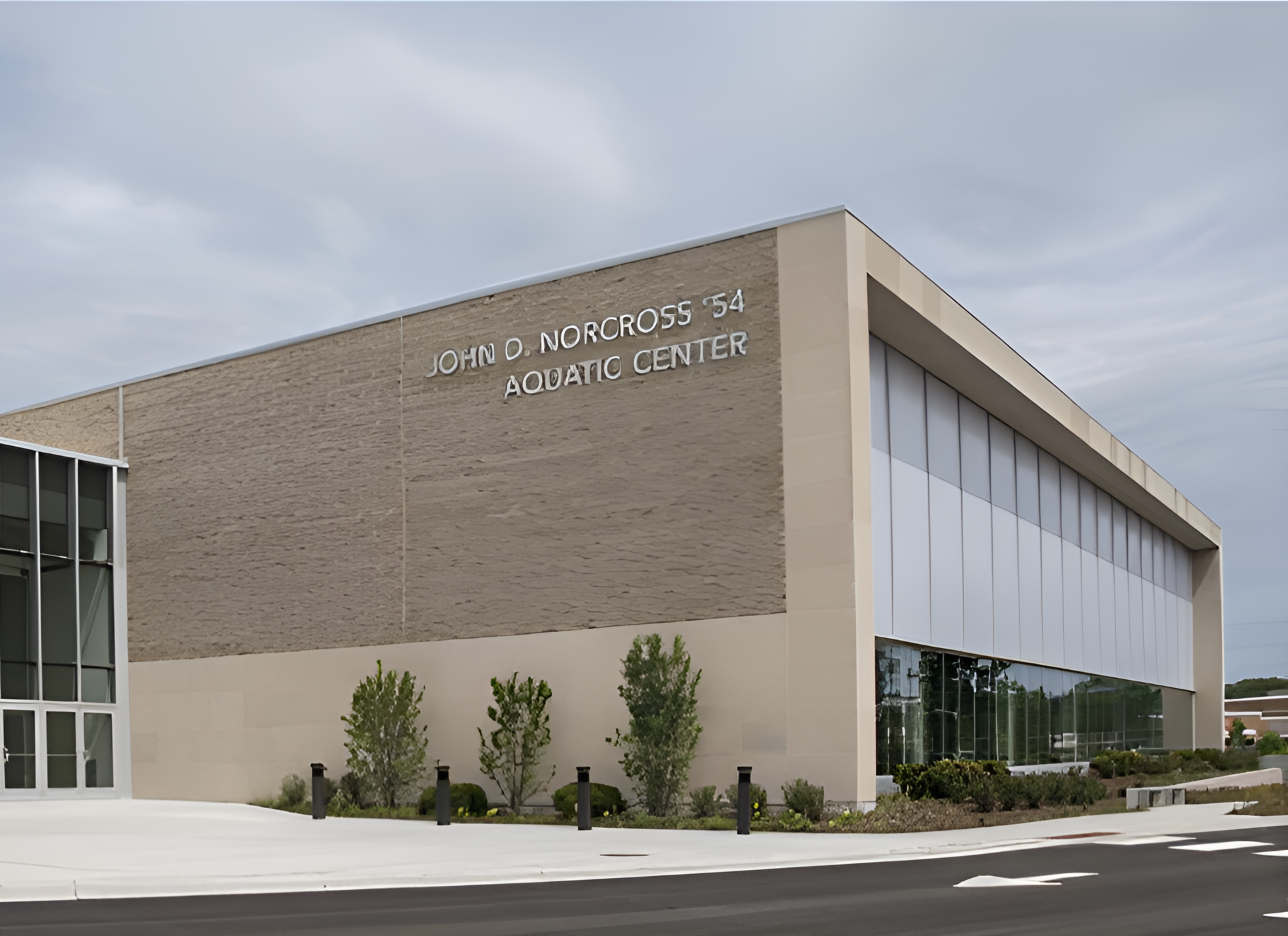
Project; Aquatic Center
241 m2 Exterior Cladding
Comparison per m2:
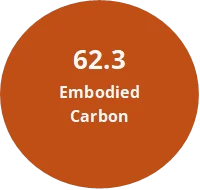
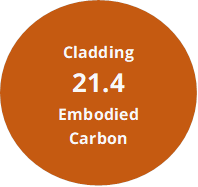
Natural Stone *GWP: 21.4
Precast Concrete *GWP: 73.3
Total Project Impacts:
Natural Stone: 5,157.4
Precast Concrete: 17,665.3
*GWP – Global Warming Potential
Savings calculated at 1 Ton of CO2
Equivalent:
Driving a Car – 75,000 miles saved
Trees – 481 trees saved
Manufacturing Process of Natural Stone

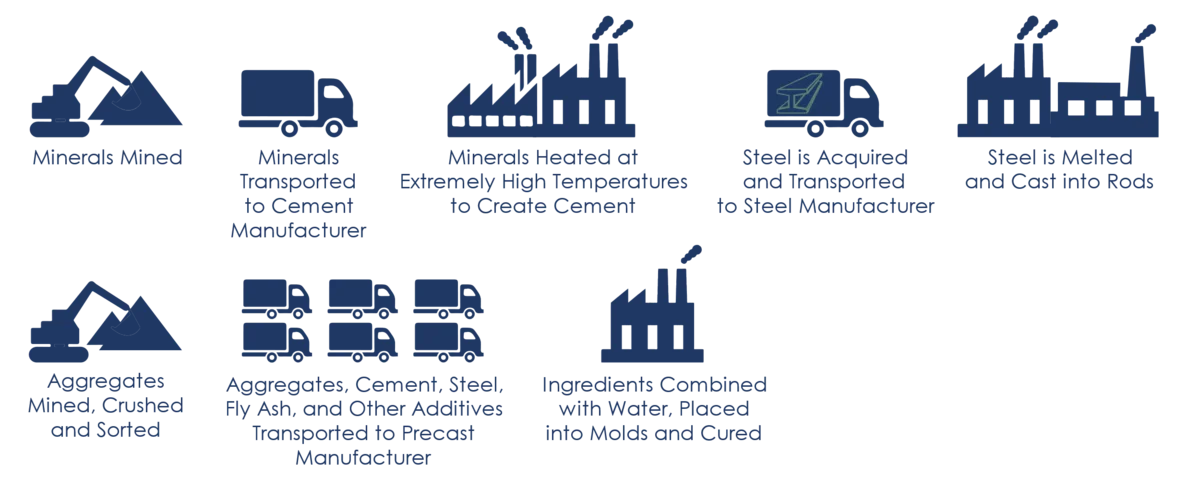
of Precast Concrete