
Best Practices for Limestone Veneer and Flooring
By following these best practices, you can ensure the longevity and integrity of limestone installations in both residential and commercial settings. For more detail contact info@continentalcutstone.com
Panel Thickness:
Large Limestone panels should be at least 2” to 3″ thick. The recommended panel size varies depending on the thickness guideline below.
Flooring and Thin Wall Veneer
For panels that are 1″ thick, it’s best not to exceed 4 square feet per piece. Larger panels are more prone to breaking during shipping or installation.
Avoid Long, Thin Pieces
Although long, thin pieces may seem cost-effective, they are more vulnerable to breakage. Limestone is brittle, and such pieces may snap during shipping or installation.
Limitations for Countertops
Due to its relatively soft and porous nature, limestone is not recommended for use as countertop material or in areas exposed to moisture, such as wet rooms.
Sealer Recommendations
Sealing is advisable for flooring and paving, but not for vertical applications. While sealers extend the time available to clean spills, they do not make the stone fully resistant to stains.
Installation Above Grade
For vertical applications, it’s important to keep limestone above grade. Ensure all wall installations include proper weep holes to allow moisture to escape.
If you have specific questions for us regarding limestone and limestone applications, please contact our experienced staff here or at 254-793-2329.
Application
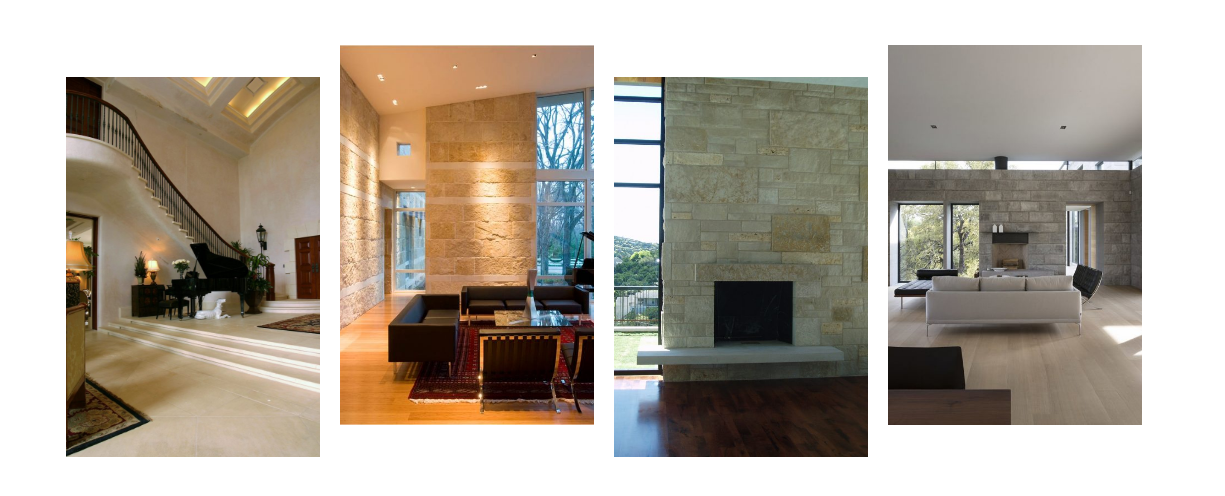
Interior
flooring | fireplace| surrounds
A well thought out design requires accurate execution. Details such as dimensions, finishes, and stone type will ensure your project stays on budget. Our team combines old world craftsmanship with innovative technology to bring your vision to life. We can provide guidance on limestone veneer panels and limestone veneer exterior applications, while our estimators, drafters, and production staff work with you during the design phase to offer the expertise needed to achieve your goals.
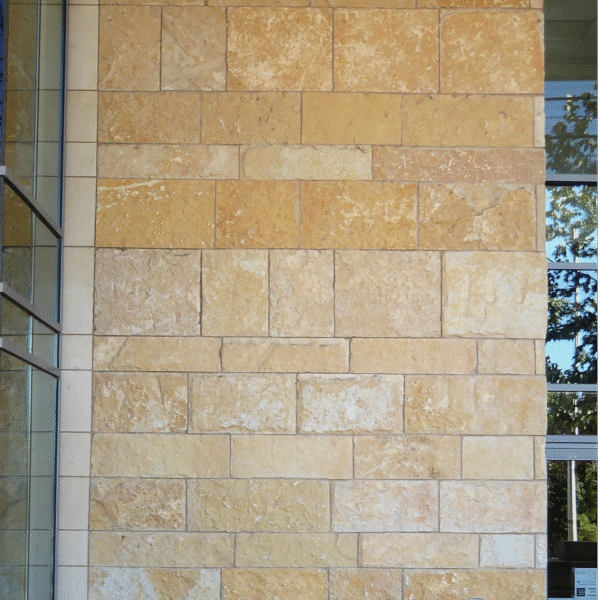
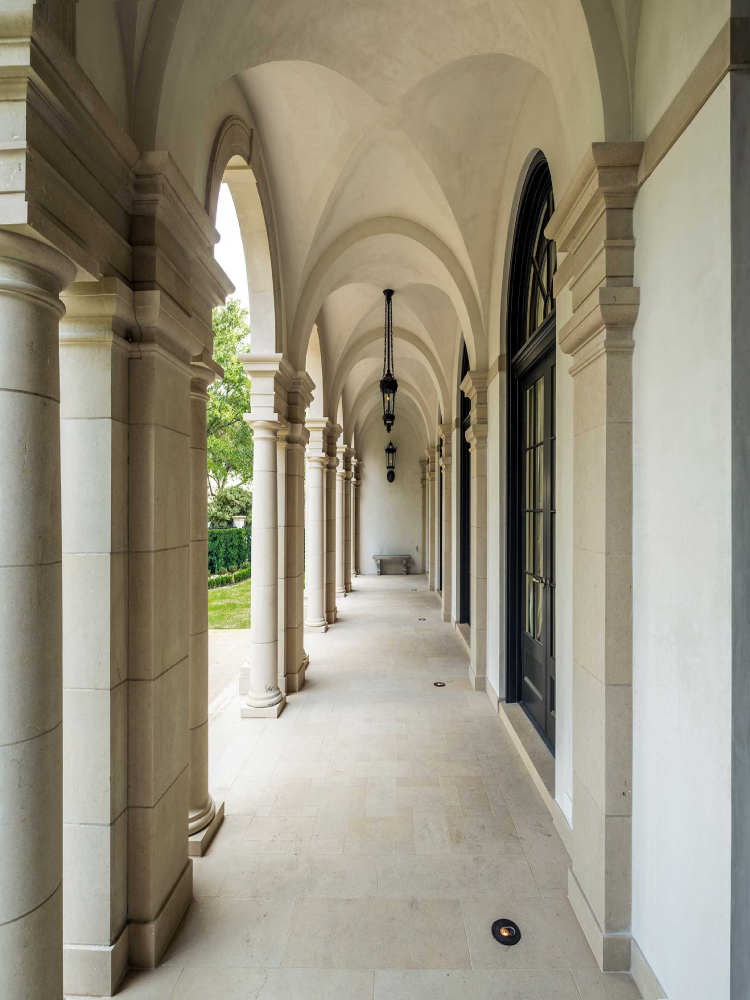
Exterior
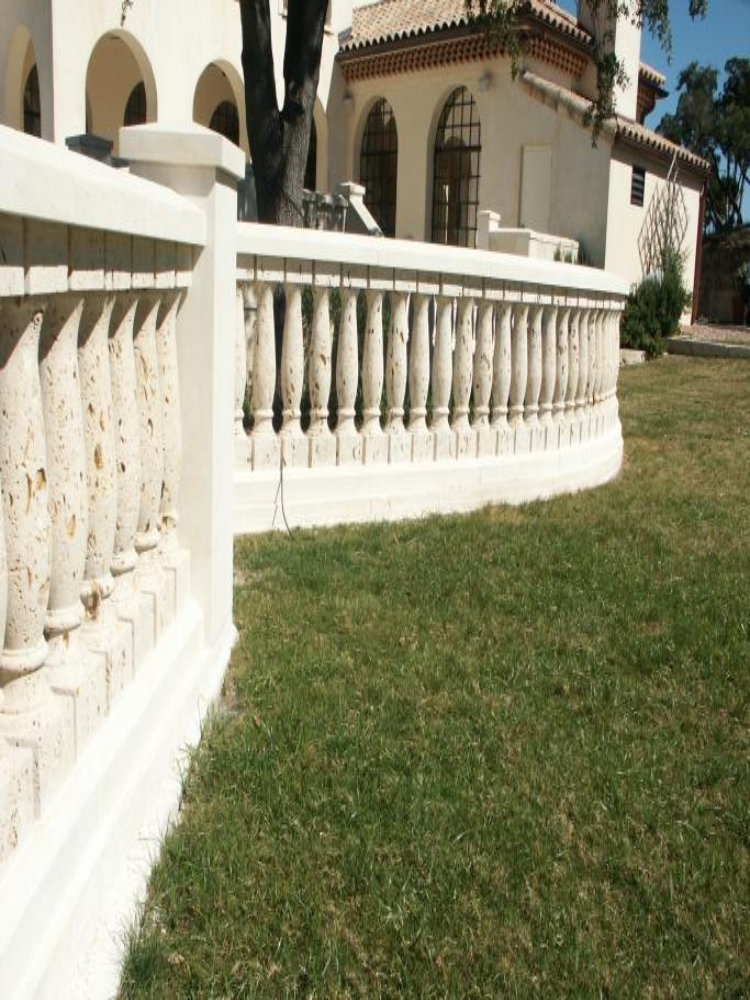
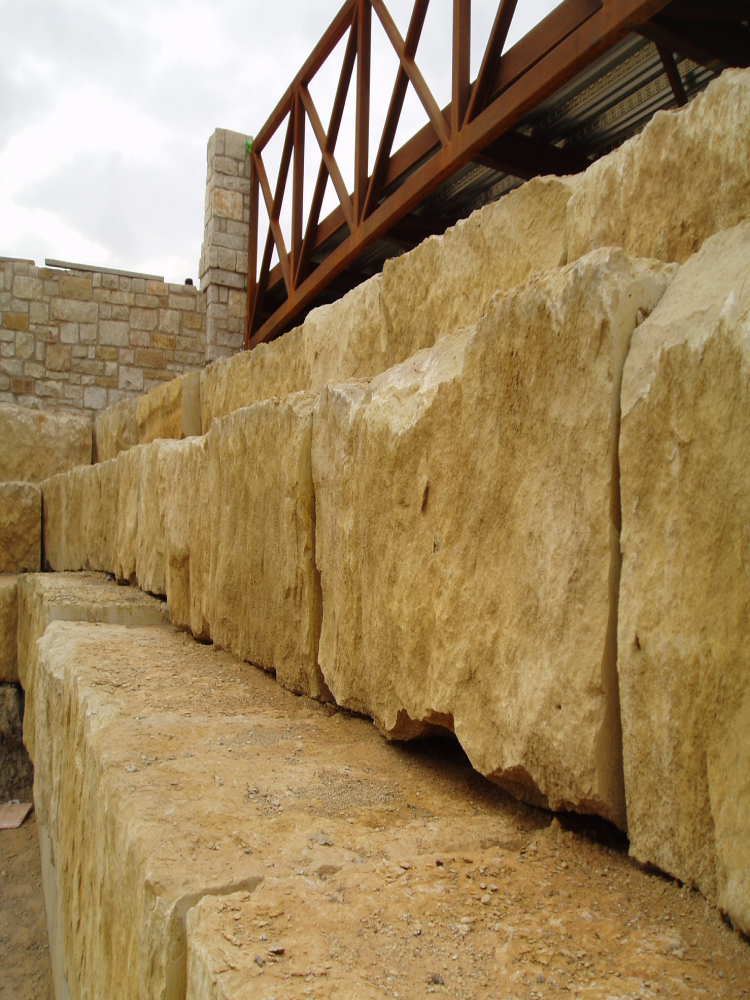
Wall Cladding | L Shaped designs | Corners, Moldings, Veneer, Landscape – balustrade, tile and paver flag, paver cut to size material, boulders, ledge block and bench block, retaining wall.


Panel Cost and Size Considerations
Panel Size – 1 sq ft. or larger is most cost-effective.
Shop Drawings – Keep the number of typical panel sizes to a minimum. Excessive number of different sizes will increase cost and time of production. Best Practice is to limit the number of unique sizes of the design and cut in field as field measurements are confirmed.
Delivery Costs – Regionally sourced Cordova Cream and Shell or Lueders Limestone are best suited for Texas project locations.
Type of Finish – standard finish is sawn, additional labor and time for surfacing – honed, chatted, bush-hammered, etc.
Thickness Recommendations – The larger the panel, the thicker it needs to be. Contact the office for recommendations.
2” thickness with the largest sized panel – 2’ x 4’
3” thickness with the largest sized panel – 3’ x 4’
4” thickness with the largest sized panel – 4’ x 7’
Moldings
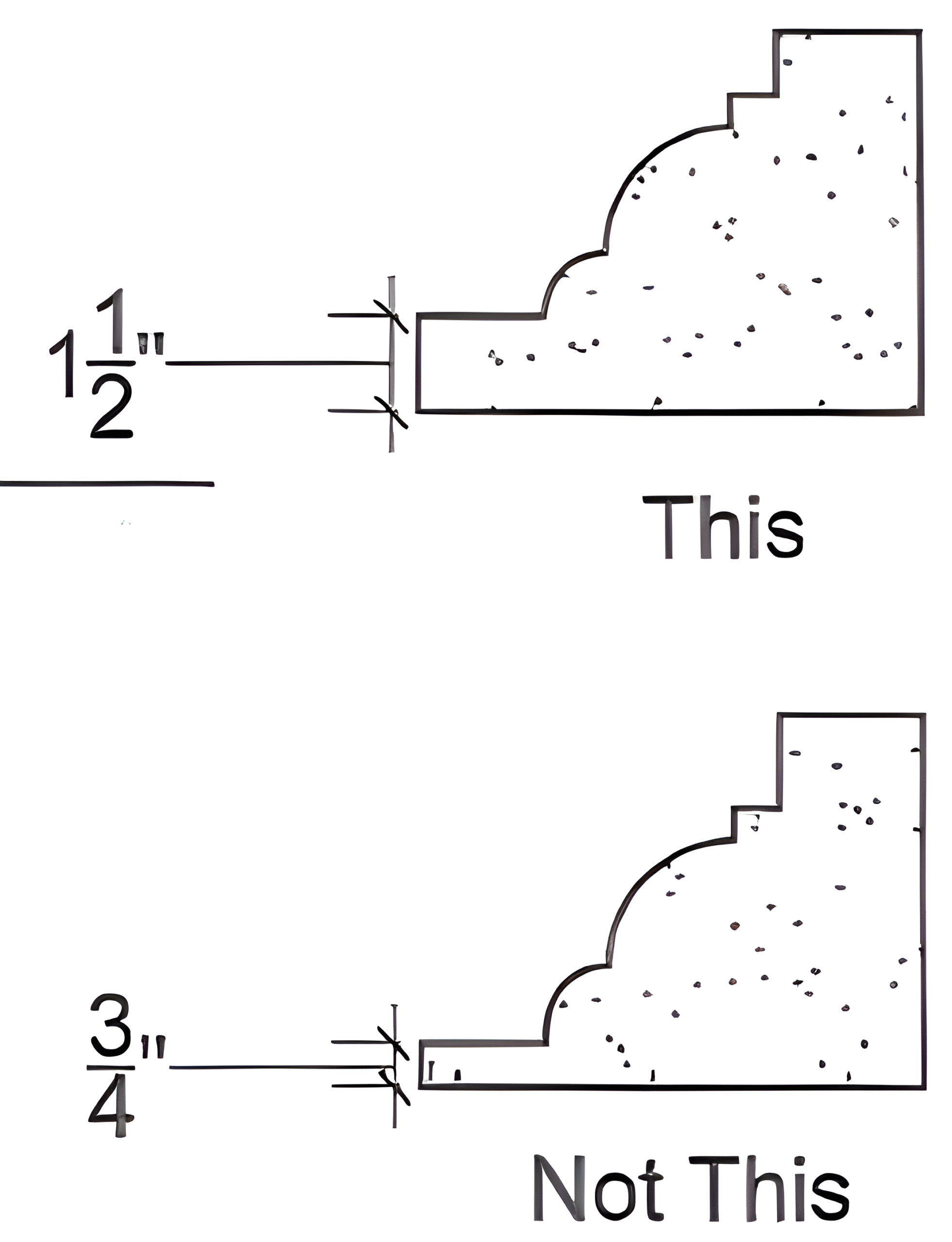
Deep cut moldings and moldings that are undercut, take longer to produce and increase the time and cost of production
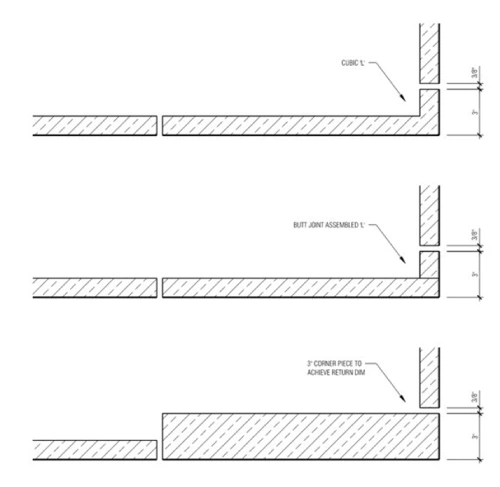
L-shaped designs
L-shaped designs are more expensive due to waste material and production time to machine out the back of the stone.
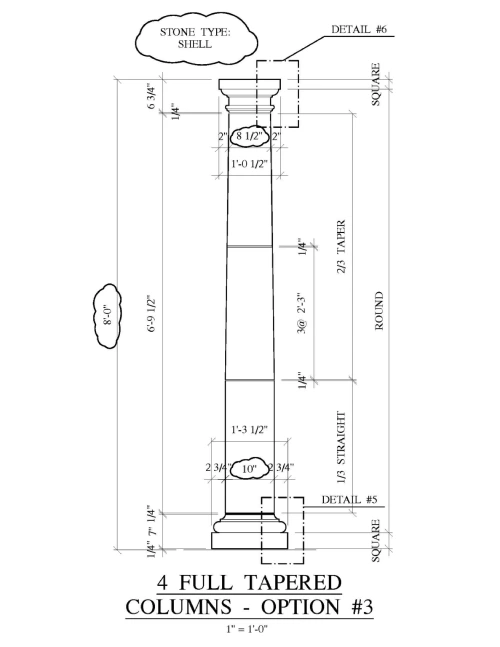
Internal steel or wooden support?
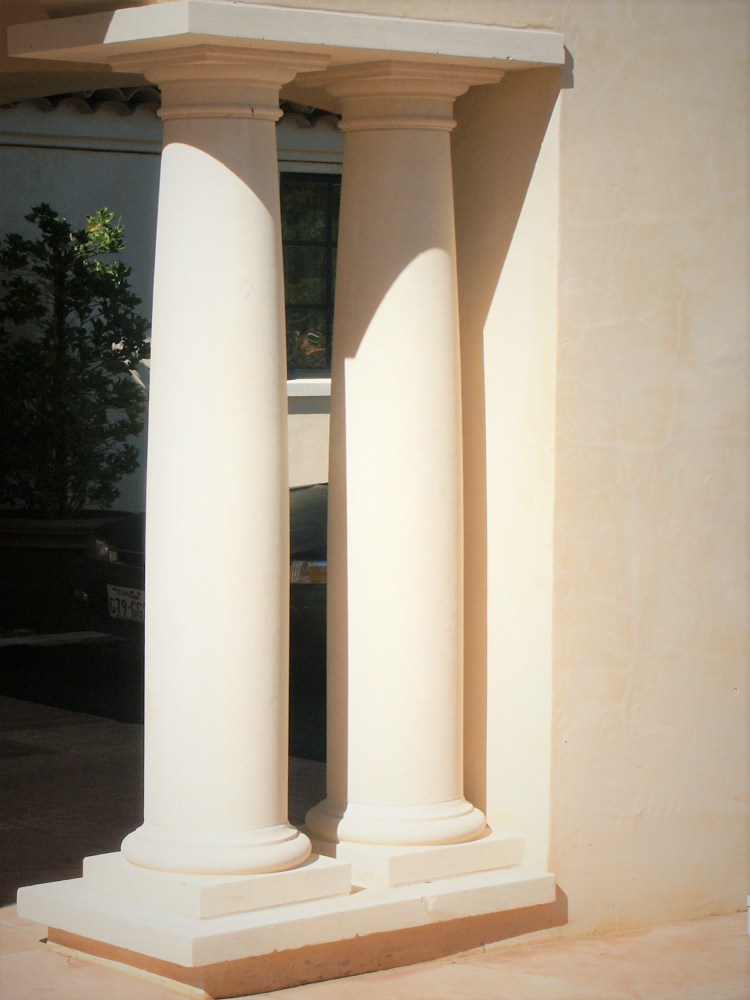
The columns can be cored to accommodate internal support
Each piece will be split vertically, making 5 pieces into 10
A cut square groove can be cut to make adequate room for the support. The top of the shaft should have a minimum of 2” at the stone’s thinnest point.
Square Columns: Are slightly more expensive than round columns.
Clarify
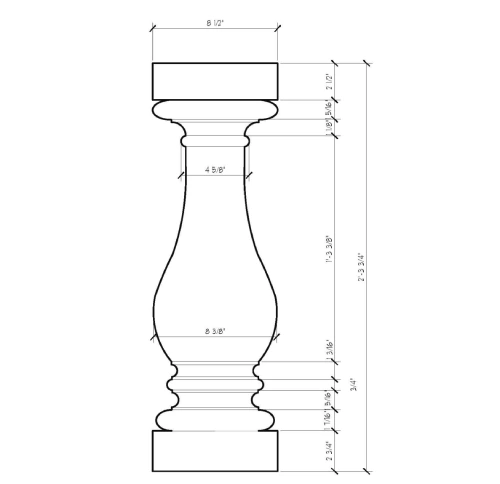
Always check your local building code for appropriate balustrade height and center requirements.
Most codes allow for no more space between each baluster than a 4” diameter ball can pass through.
Thinnest point must be no less than ½ of the largest point of origin:
Example: 6”X6” baluster should never be less than 3” at its thinnest point.
Stone Tile and Panel Thickness
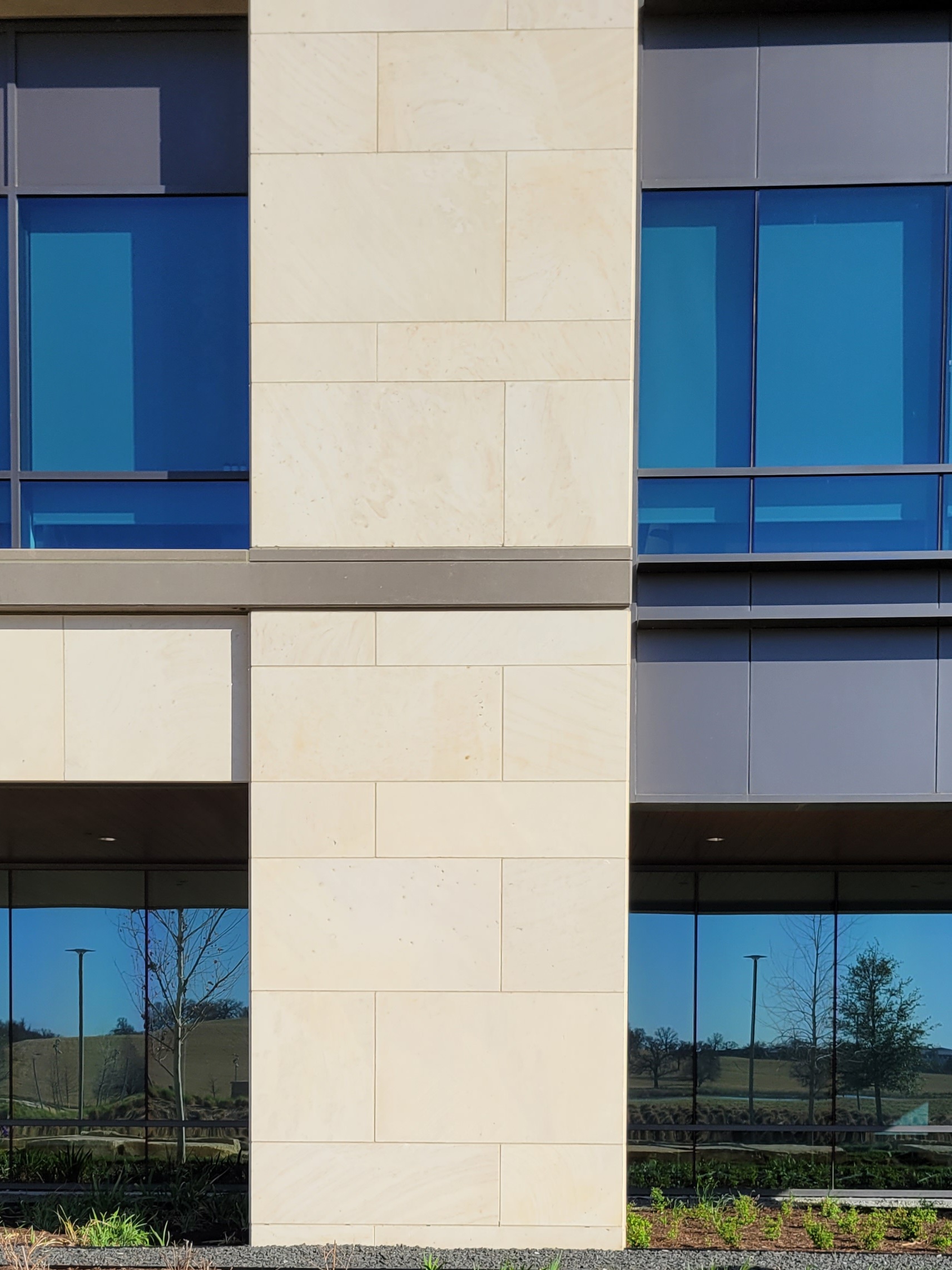
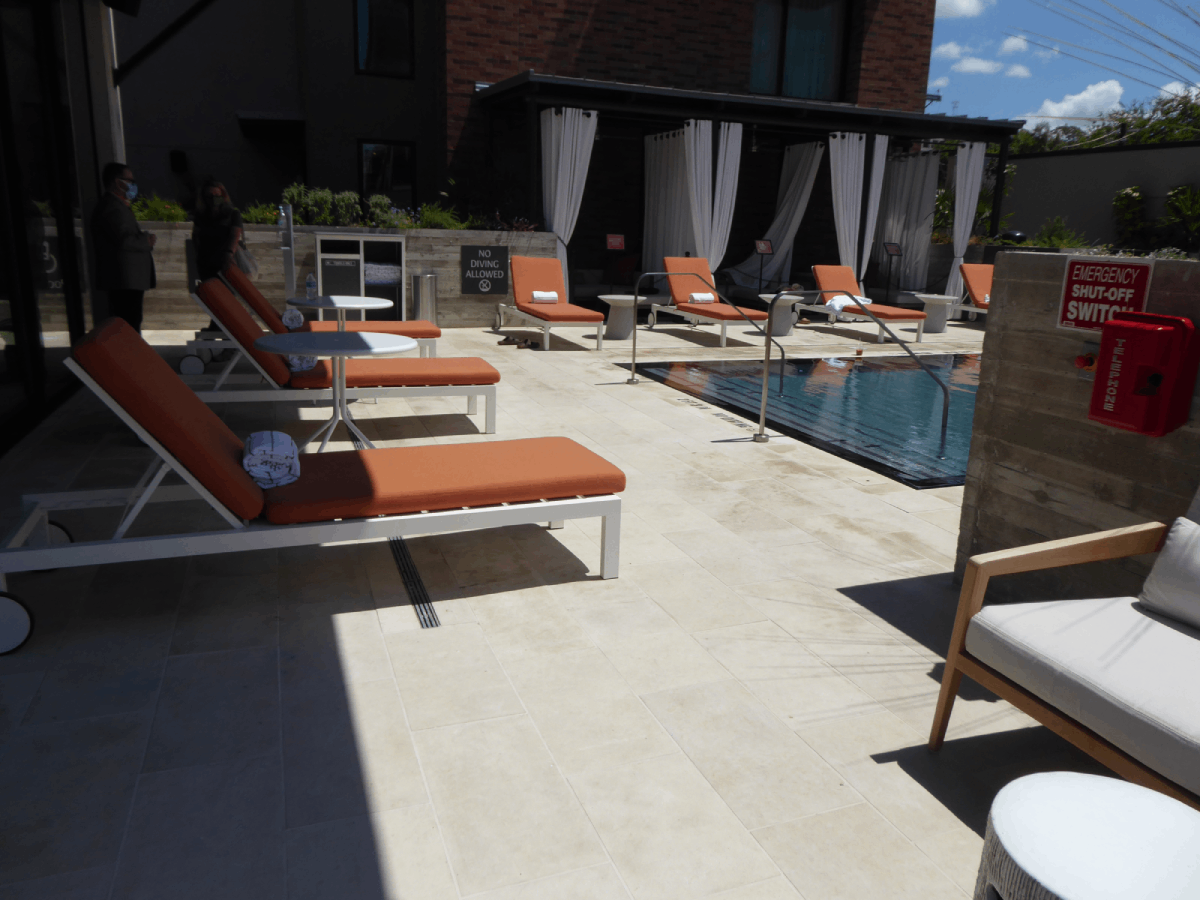
Stone Tile & Wall Veneer – Minimum of 1” thickness for Tile Installation against concrete mesh.
Stone Floor Tiles – Minimum 1” thickness for floor Tiles. Guideline – the larger the Tile the thicker and more expensive.
Stack Installation – Minimum of 2” thickness for stacked installation. The larger the panel the thicker the piece.
Mechanical Installation – Installation costs will increase when larger panel size is specified.
Joint Lengths: Keep joint length at approximately 2.’6” – 4’.